AUD
AUD
 USD
USD
 NZD
NZD
 GBP
GBP
 Euro
Euro



Queensland State Electoral Roll 1895 - EBOOK
Archive Digital Books Australasia
- SKU:
- AUE4200-1895
- UPC:
- 9781921371318
- Availability:
- Download product

Media: EBOOK - download
File format: PDF file 83MB (2456 pages)
Year: (1895) 2025
ISBN: 9781921371318
Publisher: Archive Digital Books Australasia
Electoral Rolls are the nearest thing Australians have to census records, at least at the end of the nineteenth and start of the twentieth century, and hence, they are both extremely important, and useful for local, family and social historians.
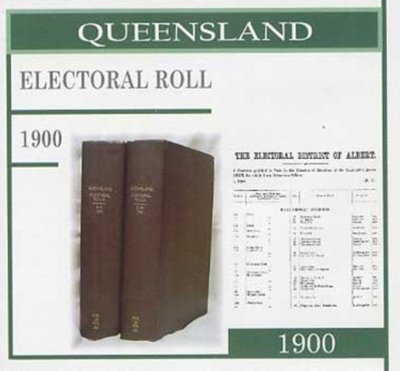
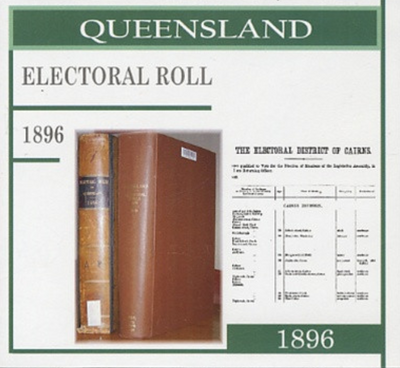
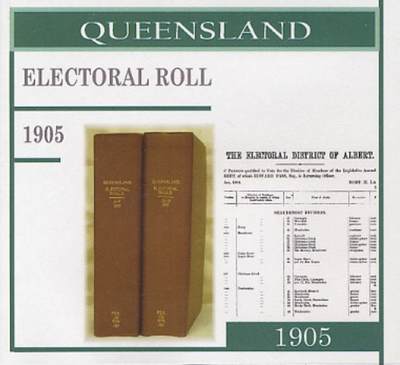
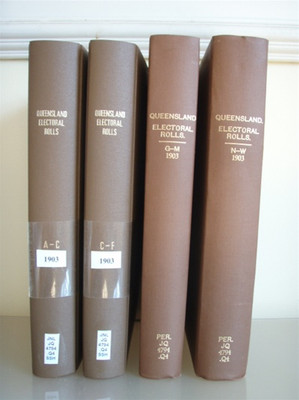
The electoral books for Queensland in 1895, which totals about 2500 pages in two volumes, are divided into the electoral districts of Queensland. Arranged alphabetically by district you will find the details of over 75,000 men who resided in Queensland in this era, and who were qualified (and registered) to vote.
In the 19th century, any male aged 21 years or over, who occupied a house, warehouse or shop, who earned £25 per year or more, or who had held a miners licence for six months, was entitled to vote. However, people in some occupations, including the police, military and naval services were ineligible to vote. Persons who owned property in several different electoral divisions were entitled to vote in each. Women in Queensland were not given the right to vote until 1905, so they are not included in this electoral roll.
The following information is included for many (but not all) entries:
- Christian Name and Surname
- Qualification (residence, freehold, leasehold or householder)
- Residence or Property
- Age
- Place of Abode
- Occupation
- Particulars of Qualification
- Date When Claim Received by Electoral Register
- Polling District
High quality scanned images of the whole of the original book, bookmarked for easy navigation. Pages can be searched, browsed, enlarged and printed out if required.
NOTE: this product is normally supplied as a digital download
- You will be sent an order confirmation email with a download link when you place an order
MORE RELATED PRODUCTS
- All QLD electoral rolls
- All QLD ebooks
- All QLD products - books, data CDs, ebooks
Related Products

Queensland State Electoral Roll 1895 - EBOOK
Related Products